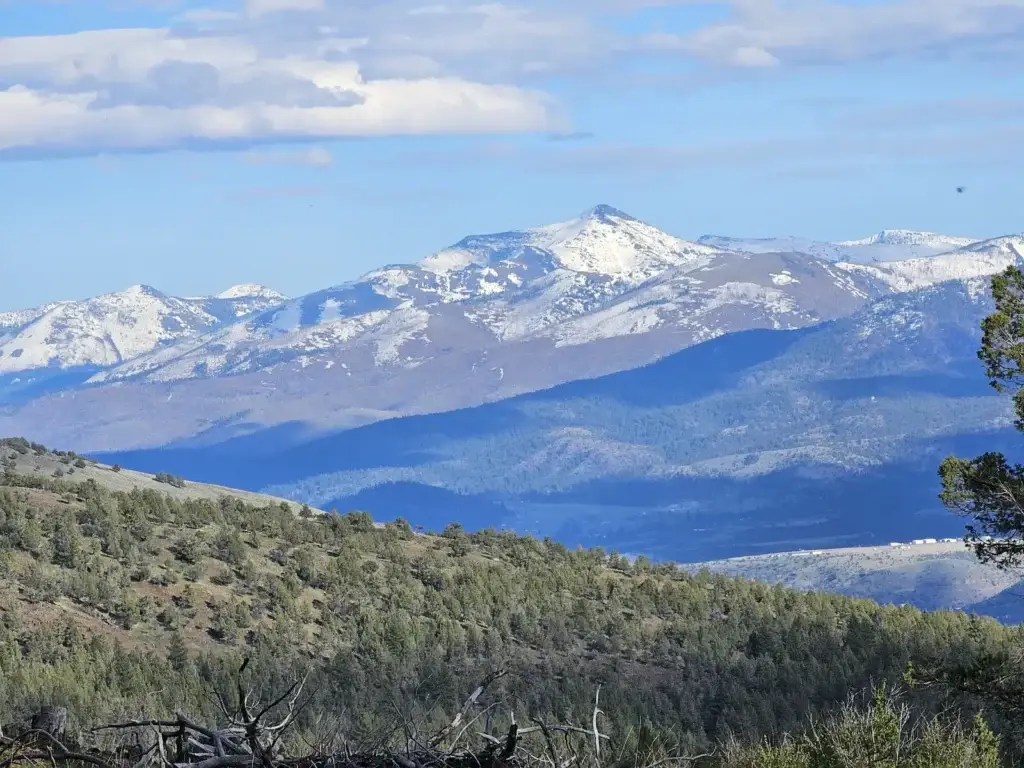
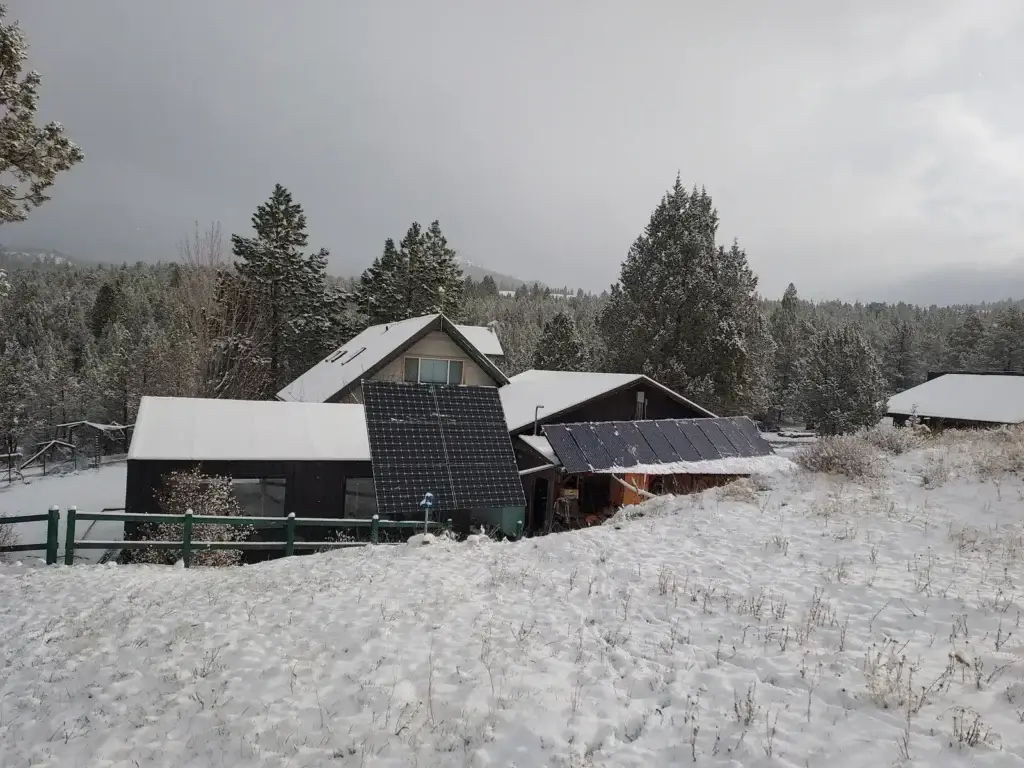
Oregon’s stunning landscapes — from the misty coastal forests and fertile valleys to the high desert and rugged mountains — make it a dream destination for those seeking an off-grid lifestyle. Imagine waking up to the sound of a nearby stream, powering your home with solar panels, and growing your own food away from the hustle of city life. But while the rewards are immense, off-grid living in Oregon demands careful planning, especially given the state’s variable climate and regulations.
Why Oregon for Off-Grid Living?
Oregon offers diverse opportunities for off-grid enthusiasts. Many rural counties, such as those in Eastern or Southern Oregon, have more flexible zoning that supports alternative energy systems, rainwater collection, and septic setups. You can generate power through solar (popular in sunnier eastern areas) or wind, source water from wells, springs, or cisterns, and enjoy lower property taxes in remote spots.
However, success hinges on understanding local rules — building permits, electrical inspections for solar and wind systems, and water rights are often required even for fully off-grid setups. Research your specific county’s regulations before purchasing land.

Most Important Elements for a Successful Off-Grid Setup
Getting the fundamentals right is crucial. Prioritize these in order:
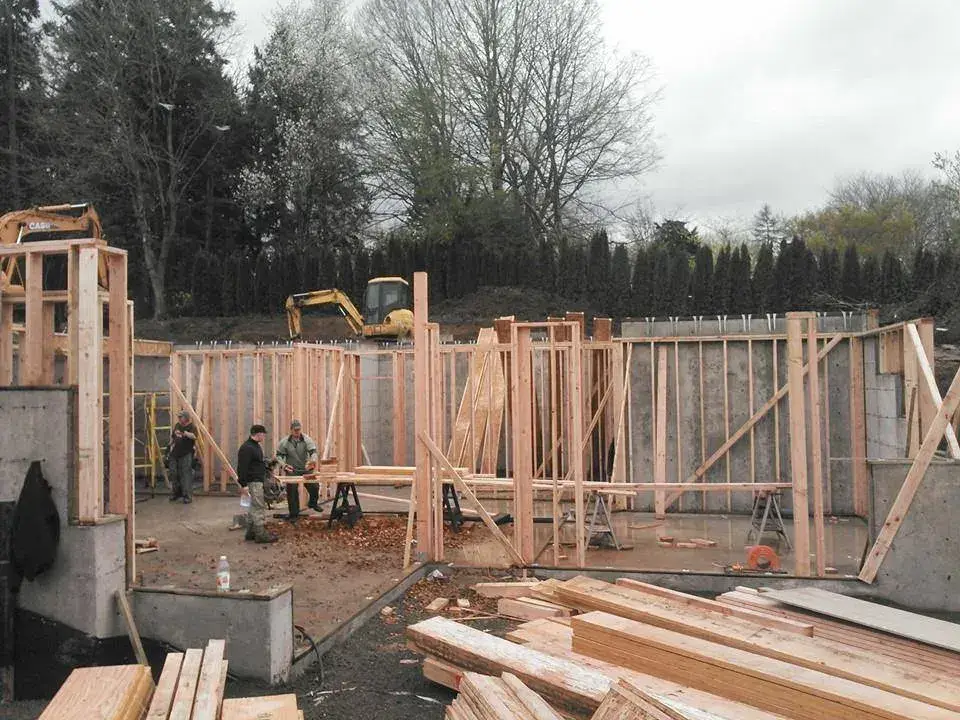
- Shelter and Site Preparation: Choose a location with good access (avoid overly remote spots that become impassable in winter), stable terrain, and proper drainage to prevent flooding or erosion. Insulation is non-negotiable due to temperature swings across Oregon’s diverse climate zones.
- Water System: A reliable source — well, spring, or large cistern with rainwater harvesting — is essential. Plan for filtration, storage, and winter freezing risks in higher elevations and Eastern Oregon’s cold snaps.
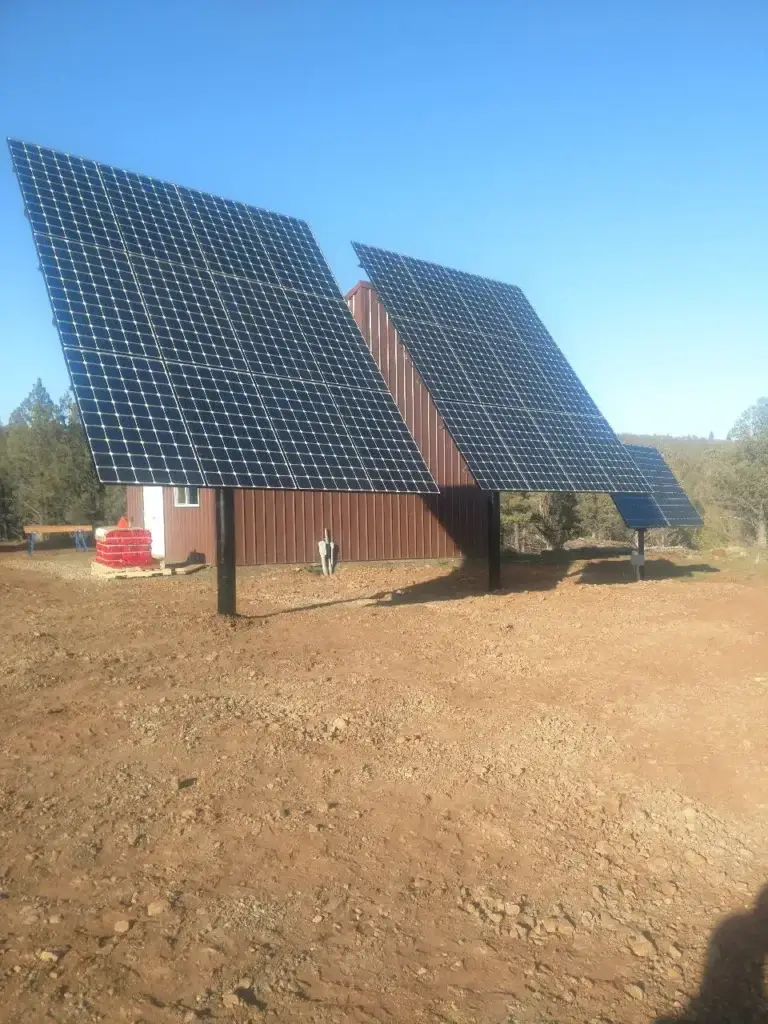
- Power System: Solar arrays paired with battery storage form the backbone for most. Factor in Oregon’s cloudy winters; many supplement with generators, wind turbines, or micro-hydro where feasible. Calculate your energy needs realistically before sizing your system.
- Waste Management: Septic systems or composting toilets that meet county health codes are required. Graywater recycling can reduce load and is permitted in many Oregon counties with proper setup.
- Food and Self-Sufficiency: Space for gardening, livestock (where allowed), and food storage. Soil quality and growing season vary widely — Eastern Oregon’s higher elevations have short growing windows, so plan accordingly.
- Heating and Resilience: Wood stoves, efficient insulation, and backup plans for extreme weather. Eastern Oregon regularly sees sub-zero nights and heavy snow loads that demand properly engineered structures.
Common Mistakes to Avoid
Many newcomers learn the hard way. Here are frequent pitfalls that derail off-grid projects in Oregon:
- Rushing Without a Plan: Designing your dream cabin before mapping out power, water, waste, and access leads to costly redesigns. Essentials must come first — infrastructure before aesthetics.
- Underestimating Power and Water Needs: Beginners often install undersized solar systems or overlook seasonal shortages, especially during long cloudy or freezing periods common in Western and Mountain Oregon.
- Ignoring Permits and Regulations: Assuming “off-grid” means no rules can result in fines, forced compliance, or even demolition orders. Research county-specific building codes early in the process.
- Poor Location Choice: Sites lacking sun exposure, water access, or road access — especially in snow and mud season — create ongoing headaches and safety risks.
- Skimping on Insulation and Weatherproofing: Oregon’s wet winters, heavy rains, snow loads in the mountains, and occasional high winds can damage poorly built structures within the first season.
- Overbuilding Too Soon or Underestimating Costs: Start simple; budget for surprises like equipment maintenance, material delivery to remote sites, or emergency access issues.
- Neglecting Security and Community: Isolation brings risks — wildlife, theft, or medical emergencies require preparation, backup communication, and ideally a network of nearby neighbors.

Why a Local Contractor Who Understands Oregon Weather Is Crucial
Oregon’s climate is famously unpredictable: relentless winter rains on the coast, heavy snow and ice in the Cascades and higher elevations, strong winds, and temperature extremes across regions. A home not engineered for these conditions can suffer from moisture intrusion, roof failures under snow load, frozen pipes, or wind damage that turns a dream homestead into a costly nightmare.
A knowledgeable local contractor brings irreplaceable expertise: regional wind loads, snow accumulation patterns, soil types for foundations, and best practices for energy-efficient builds that perform in low-sun winters.
They navigate local permitting efficiently, source materials suited to the area, and ensure your build complies with codes while maximizing durability and off-grid efficiency. Attempting everything DIY or hiring someone unfamiliar with Oregon can lead to leaks, structural issues, higher long-term costs, and safety risks. Partnering with locals who’ve built in these conditions saves time, money, and frustration.

Building Your Oregon Off-Grid Dream the Right Way
If you’re serious about off-grid living in Oregon, working with experienced professionals makes all the difference. Superior Home Builders of Mount Vernon, Oregon, stands out for their commitment to quality craftsmanship in challenging environments. With deep roots in Eastern Oregon, their team — led by an owner with hands-on experience in off-the-grid living — excels at creating resilient, efficient homes tailored to the state’s unique weather and lifestyle demands.
Whether it’s a custom cabin, shop, or full homestead build, they handle everything from permitting to finishing touches with professionalism and old-fashioned values. Their expertise covers structural framing, custom home construction, and the kind of site-specific problem-solving that only comes from years of working in Grant County’s mountains and valleys.
Off-grid life in Oregon isn’t just about escaping the grid — it’s about building a sustainable, fulfilling connection to the land. Approach it with thorough research, realistic expectations, and the right partners, and you’ll thrive in one of the most beautiful states for independent living. Ready to start? Do your homework on land and systems, then connect with locals who know the terrain. Your self-reliant future awaits.